



Cricket is the most loved sport in the world. Countries like India, Australia, England, and South Africa have millions of cricket lovers who regularly follow the cricket matches and love witnessing the big tournaments such as IPL, ICC Cricket World Cup, and series between different nations. Though for the novice, it is sometimes difficult to understand the game as it involves different kinds of match formats, rules, and a uniquely created way of calculating the scores.
Understanding the basics of cricket helps open up the game for all new players. Once you learn where runs come from, what an over is, how players get out, and how teams win matches, the thrill of watching a game live can be incredible.
For the users of 4xSports, knowing the cricket rules is useful to enjoy the matches more by understanding the scores, individual players’ performances, the team tactics and other key points of the game.
Here in this easy-to-understand guide, we have described the Laws of Cricket, rules for a match, how the game is scored, how a player is dismissed, overs, innings and the 15 basic rules everyone should learn.
Table of Contents
What are the Laws of Cricket?
The Laws of Cricket are the published rules that apply worldwide for playing the game of cricket. They are designed to be the guidelines for all matches, whether it is on a local level, a league level or an interstate level.
There are rules on all parts of the game, such as the players, the kit used, getting the runs, getting out, umpire decisions, and how players should behave. They ensure the game runs smoothly.
Who makes the Laws of Cricket?
The formal Laws of Cricket are drafted and maintained by the Marylebone Cricket Club (MCC). It is an English organisation. The MCC revises and amends the laws so as to keep them relevant to the game of today.
Official rules regulate cricket around the world by cricket boards and governing bodies when putting on official matches. Some specific competitions use more conditions to play, but the Laws of Cricket are always the basis.
Why the Laws Matter
The Laws of Cricket are there to look after the game and make sure: To banish fast, inconsistent and indisciplined. Without these famous rules could differ from one team or competition to another and would be a complete nightmare for supporters and players.
The laws help:
- Ensure fair competition.
- Guide umpire decisions.
- Define scoring methods.
- Explain dismissals.
- Maintain sportsmanship.
- Protect players and officials.
If you are following the matches via 4xSports, this makes it easy to understand the score updates, decisions of the umpires and other match situations by knowing the laws.
Main areas covered by the Laws
The Laws of Cricket deal with the following important aspects of the game:
Players and Equipment
The laws lay out how many players make up a team, the rules for each specific player and the types of bats, balls and protectors used in the game.
The Pitch and Field
Rules detail the pitch size, wicket positions, boundary markers and the various positions of the fielding team.
Overs and Innings
The Laws explain how overs are bowled and how the innings are arranged in each format of a match.
Batting and Bowling
These rules cover how batters get runs and what a bowling delivery should be.
Dismissals
The law specifies the different ways in which a batter can be dismissed-bowled, caught, run out, stumped, or LBW.
Umpires and Decisions
Umpires have a duty to implement the laws, make decisions and call the errors.
Dead Ball, No Ball, and Wide Ball
In the case where deliveries are declared dead balls, no balls & wide balls, you will need special rules.
Conduct and Penalties
The code also contains directives on player conduct, discipline, and penalty.
When newcomers begin to learn the game, I think knowledge in the above-mentioned aspects helps the batsmen and the Bowlers to clear the main queries in their mind and also helps viewers to understand the match more easily and comfortably on 4xSports.
Basic Rules of Cricket for Beginners
For those who are new to the game of cricket, starting by understanding the essential rules of the game might be a good idea. These fundamental rules will teach you the scoring and taking wickets methods of the game. This, in turn, would help you to learn and follow the live matches and scores easily on the 4xSports.
Number of Players
A cricket team has 11 players. In a game, one team will bat, and the other will bowl and field. All players are vital, whether they are scoring, taking wickets or stopping the opposition from scoring.
The standard team size for all official cricket matches, whether international, domestic or T20 Leagues, is 11 players.
Main Objective of the Game
The object of cricket, in essence, is straightforward – make more runs than the team you’re playing against.
The team batting aims to score as many runs as they can; the team bowling and fielding aims to dismiss the batting team’s players and restrict the runs scored. The team with the most runs wins.
By knowing this goal, the beginners can also better follow the match situation and the team tactics.
How a Match Begins
All cricket games in the world begin with a coin toss. When one team wins this coin toss, he decides to make. If this decision is to win this coin, you will have to set out a team to bat or bowl.
It will depend on pitch conditions, weather, and the format of the game.
The toss is generally an important factor in the team’s plan.
Overs and Innings
Cricket is played in innings. The innings are when one team plays.
The game is separated into overs, and in every over, a bowl from one bowler.
Different formats have different numbers of overs:
- T20 Cricket – 20 overs per team
- One Day Cricket – 50 overs per team
- Test Cricket – No fixed over limit
Overs keep the speed of the game moving and also set the maximum time a team is allowed to bat.
Batting Basics
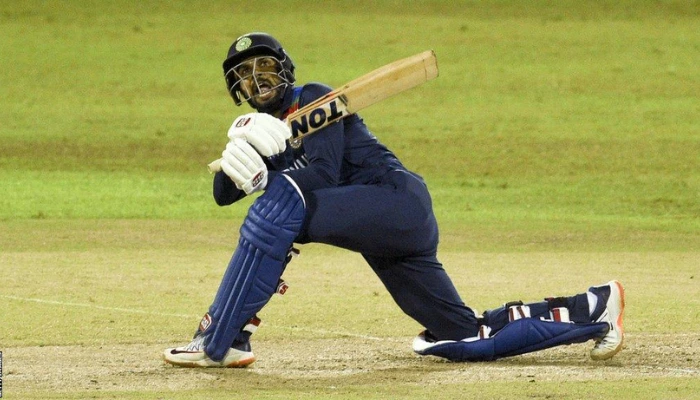
Batters can score runs by hitting the ball and running between the wickets, or by hitting boundaries.
Ways to score runs include:
- Running between wickets
- Hitting a four
- Hitting a six
- Receiving extras from the bowling side
Wickets remain unbroken, and the total keeps increasing to be scored.
Bowling Basics
The bowler bowls to hit the batter and dismiss them or prevent them from scoring freely.
Bowlers use different techniques, including:
- Fast bowling
- Swing bowling
- Spin bowling
Good bowling will put the batsmen under pressure and help the team take wickets.
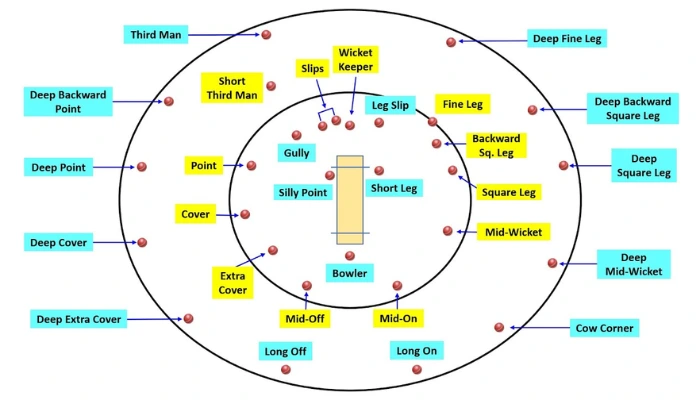
Fielding Basics
Fielders help the bowler by saving runs and fielding for a dismissal.
Their responsibilities include:
- Catching the ball
- Preventing boundaries
- Running out of batters
- Returning the ball quickly
Good fielding can have a lot of influence in the crucial stages of a game.

15 Rules of Cricket
If you are new to cricket, then learning these 15 key rules of cricket will help you get to grips with the game faster. These rules provide the basic principles by which the game operates and include how runs are scored, wickets taken, and ultimately how a team wins.
Rule 1: Each Team Has 11 Players
There are 11 players in an Indian cricket team. During a cricket match, 1 team bats and the other team bowls and fields. All players are responsible for the entire batting and bowling team.
Rule 2: The Team That Scores More Runs Wins
The main idea of cricket is to make runs. When the match is over, the team with the larger number of runs is declared the winner.
In other formats, a match might end in a tie or a draw.
Rule 3: The Toss Decides Who Bats First
Before the beginning of the match, the two team captains will toss a coin. The captain winning the toss decides whether his team will bat or bowl first.
It all comes down to pitch conditions, the weather and the game plan.
Rule 4: Cricket Is Played in Innings
In cricket, there are major divisions, which are called matches, and within those matches are smaller divisions called innings. An innings consists of the batting team batting and the other team pairing and fielding.
The number of innings depends on the match format:
- T20 is one innings per team
- ODI is one innings per team
- A Test Match is two innings for each side.
Rule 5: An Over Has Six Legal Balls
An over is a set of six balls bowled by one bowler.
After six legal balls:
- The over ends.
- Another bowler bowls from the opposite end.
- Fielding positions may change.
Overs are a crucial element of match tactics.
Rule 6: Runs Are the Scoring Unit
In cricket, this is what a player scores, as runs are the basic scoring unit.
Batters score runs by:
- Running between wickets.
- Hitting boundaries.
- Receiving extras from the bowling side.
The team with the most runs scored is the most likely to win.
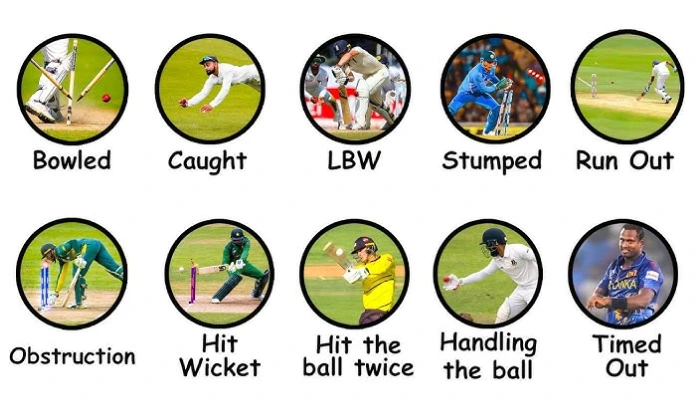
Rule 7: Batters Can Be Dismissed in Different Ways
A batter can be dismissed in many ways.
Common dismissals include:
- Bowled
- Caught
- LBW (Leg Before Wicket)
- Run Out
- Stumped
Learning about dismissals makes it easier for the less advanced players to see what is happening in the game more easily.
Rule 8: Wide Balls and No-Balls Add Extras
An illegal delivery can sometimes.
Examples include:
- Wide Ball
- No-Ball
When this happens:
- The batting team receives an extra run.
- The ball often has to be bowled again.
Extras count towards the total team score and can sometimes be the deciding factor in a game.
Rule 9: Boundaries Score Four or Six Runs
A boundary is one of the fastest ways to add runs to the score in cricket. If the batter hits the ball over the edge of the pitches and out of the playing area for a six, extra runs are awarded automatically.
- 4 Runs: The ball has made contact with the ground and hasn’t gone over the boundary rope.
- 6 Runs: The ball crosses the boundary without bouncing.
Boundaries raise the run rate rapidly and add to the excitement for the crowd.
Rule 10: Two Batters Stay on the Field at a Time
There are always two batters on the field at any given time.
They are called:
- Striker – Faces the bowler.
- Non-Striker – Waits at the opposite end.
The two batters come together to score runs and form partnerships. When one is dismissed, another one comes in to join the innings.
Rule 11: Fielders Try to Stop Runs and Take Catches
The fielding team is trying to make sure that the batting side does not score runs.
Fielders help by:
- Stopping the ball.
- Taking catches.
- Running out of batters.
- Supporting the bowler.
Good fielding can definitely stop a lot of runs and also provide chances for wickets to fall.
Rule 12: Umpires Make Decisions
The umpires are there to interpret the Laws of Cricket and see that the game is played in a fair way.
Their duties include:
- Deciding whether a batter is out.
- Calling wides and no-balls.
- Monitoring fair play.
- Managing match conditions.
The majority of games are played with two umpires on the field.
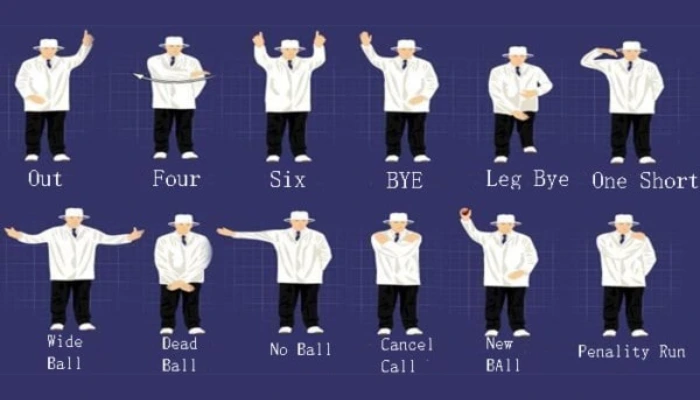
Rule 13: A Dead Ball Cannot Produce Runs
A dead ball-a time when the ball isn’t live.
Examples include:
- Play is stopped by the umpire.
- The ball becomes trapped.
- An unusual interruption occurs.
After the ball is called dead, it usually cannot result in further runs or dismissals.
Rule 14: The Batting Side Tries to Build a Strong Total
The batting team aims to score as many runs as they can before the innings are over.
Batters aim to:
- Build partnerships.
- Rotate strike.
- Hit boundaries when possible.
- Protect their wickets.
A higher score puts more pressure on the other team when chasing.
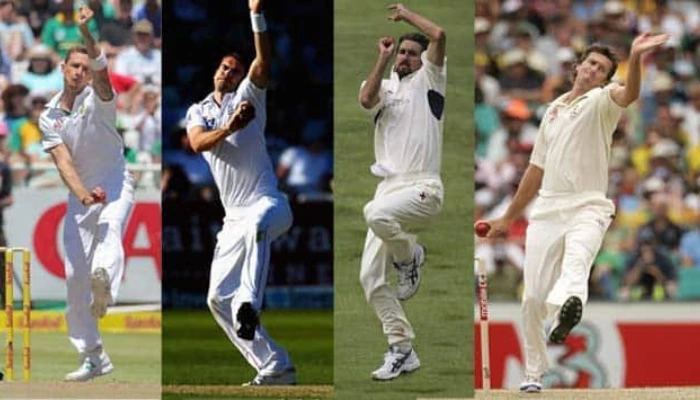
Rule 15: The Bowling Side Tries to Take Wickets and Control Scoring
The bowling and fielding side attempts to restrict the batting side.
Their objectives are:
- Take wickets regularly.
- Prevent boundaries.
- Build pressure through accurate bowling.
- Limit scoring opportunities.
The result of a match can often come down to winning a game or two of bowling.
These 15 Rules of Cricket are key to learning the game when you are new to it. Having learned these, it is much easier to follow live matches, tournaments and the like.
How Cricket Is Played
Getting to grips with How Cricket Is Played is simple if you learn the basic rules. Cricket matches work on a team structure where each side gets to play batting and bowling. The idea is just to score more runs than the opposition; however, here is a step-by-step guide for a beginner.
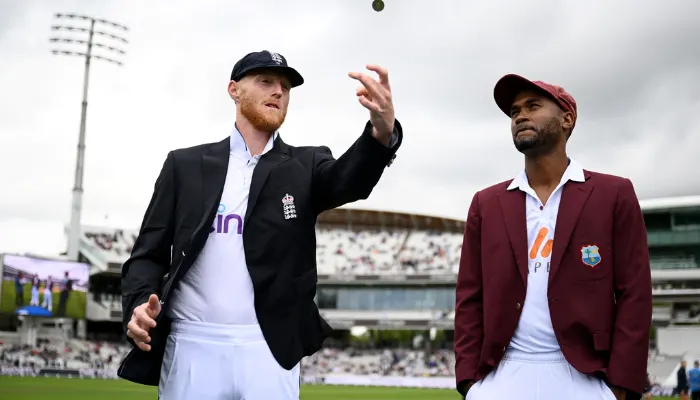
Start of the Match
All cricket matches start with a toss between the two team captains. The captain who wins the toss decides whether to bat first or bowl first.
This decision often depends on:
- Pitch conditions
- Weather conditions
- Match format
- Team strategy
Once the coin has been tossed, both teams will find their respective positions on the field, and the game begins.
The Innings Structure
Within a cricket game, there are periods known as innings. An innings is an interval of time in which a team bats and the other team bowls and fields.
The number of innings depends on the match format:
- T20 Cricket: One innings per team
- ODI Cricket: One innings per team
- Test Cricket: Two innings per team
An innings may end when:
- All wickets fall
- The allotted overs are completed
- The captain declares the innings (in Test cricket)
The team with the higher score has the edge.
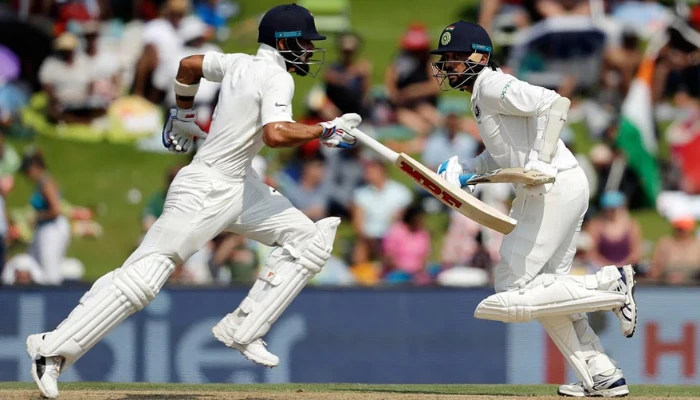
Batting Sequence
The batting side fields players in the order they appear in the batting order.
The sequence generally works like this:
- Two batters begin the innings.
- One batter faces the bowler.
- Runs are scored through running and boundaries.
- When a batter gets out, the next player comes in.
- The process continues until the innings end.
A good batting partnership is important to set up good totals and improve in the Scoring area.
Bowling and Fielding Sequence
One team bats while the other team bowls and fields.
The bowling team tries to:
- Take wickets
- Stop runs
- Build pressure
- Control scoring
Fielders are positioned around to field the ball and try to catch the batsman out. The bowler bowls 6 valid balls to complete each over and then from the other end.
Strong bowling and fielding are part of the rules of the game.
Match Result
The team of the player with the highest score wins.
Possible results include:
- One team scores more runs and wins.
- The match ends in a tie.
- The match ends in a draw (mostly in Test cricket).
- A match may be abandoned because of weather conditions.
At the end of the innings for each team, the team that gets the higher result wins.

Getting to grips with these simple facts makes it easier for beginners to learn How Cricket Is Played and also makes watching cricket more fun. Next, the section on Scoring, Dismissals and Overs covers some of the more essential terms.
Scoring, Dismissals and Overs
If you want to understand cricket well, you should know about Scoring in Cricket, what leads to a dismissal and overs. They are the three key factors that affect how a game unfolds and which team wins. Do not forget about every run, dismissal and over.
How Scoring Works
Runs are the basic unit of scoring in cricket. The batting side strives to score as many runs as possible with the aim of protecting their wickets.
Batters can score runs in several ways:
Running Between the Wickets
Once the ball is hit, two batsmen can run between the wickets. Each run between the wickets counts as one.
They may score:
- 1 run
- 2 runs
- 3 runs
- Occasionally more
Boundaries
Boundaries are the quickest way to get the runs.
- Four Runs: The ball gets to the boundary via the ground touch.
- Six Runs: The ball is hit over the boundary without bouncing.
Extras
The bowling side may also concede extra runs through:
- Wide balls
- No-balls
- Byes
- Leg byes
However, extras are added to the total team score, but make no contribution to the number of runs scored by the individual batter.
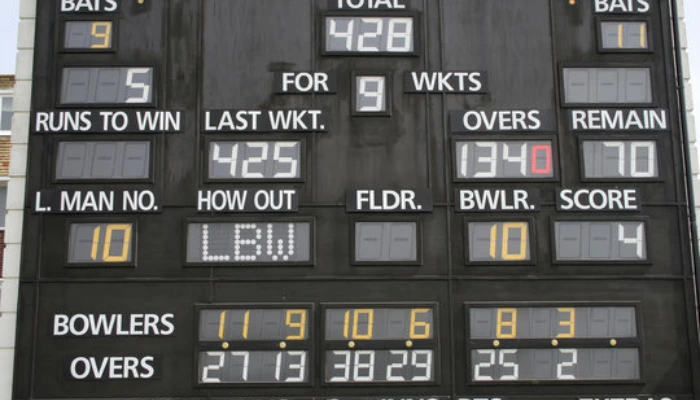
What Counts as a Dismissal
When the batter gets out & has to walk back to the pavilion. The batting team are allowed to get out ten times in one innings.
Some common Cricket Dismissals include:
Bowled
The bowler bowls a delivery which dislodges the bails.
Caught
A fielder catches the ball before it hits the ground after the batter hits it.
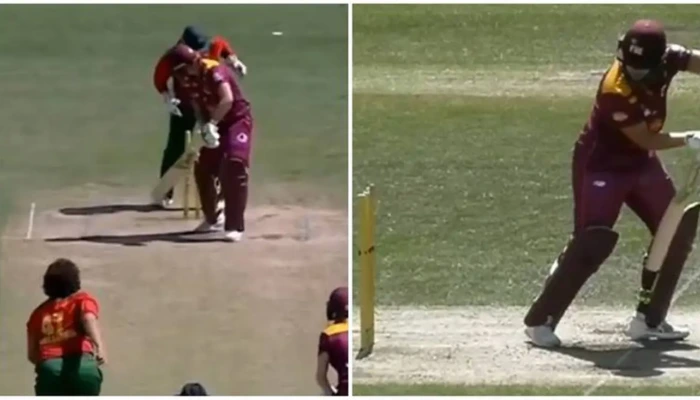
Leg Before Wicket (LBW)
The batter’s body gets in the way and obstructs a delivery that would have struck the stumps.
Run Out
A fielder dislodges the stumps when the batter is out of the crease.
Stumped
The wicketkeeper takes off the bails when the batsman is out of his crease and not running.
Hit Wicket
The batter has directed a shot, which unfortunately results in their own stumps being struck.
Getting wickets is one of the most important targets for the bowling team, as this stops the batting team from scoring runs.
Overs and Legal Deliveries
An over is a set of 6 legitimate deliveries bowled by each individual bowler.
After six legal deliveries:
- The over ends.
- A different bowler bowls from the opposite end.
- Field positions may change.
Not every delivery will be a legal ball.
Legal Deliveries
A legal delivery is a ball that is bowled in accordance with the rules.
No-Ball
A no-ball is called when the bowler fails to comply with a rule, for instance by overstepping the crease.
The batting team receives:
- One extra run
- An additional delivery
Wide Ball
A wide is a delivery that is way outside the normal resting place.
The batting team receives:
- One extra run
- An additional delivery
Overs assist in managing the flow of the game, and they are an integral part of the Laws of Cricket. One can enjoy the game much more when one is aware of overs, how the batting side is scoring, and the manner of dismissals.
Common Cricket Terms
Cricket is full of confusing words if you’ve never played or watched before. If you learn some of these words, you’ll find it much easier to follow matches, read match comments, understand the scorecard and learn the Basic Rules of Cricket. Here are some of the cricket words listed in an easy-to-understand manner.
Pitch
The pitch is the strip, which is in the middle of a cricket ground, where batting and bowling occur.
It is:
- 22 yards long
- Located in the middle of the field
- The area where wickets are placed
The state of the pitch can have an influence on the way a ball plays in a game.

Crease
The crease is an area of white lines. Machario’s markings on the ground close to the wickets.
It helps determine:
- Whether a batter is safe from being run out
- Whether a bowler has delivered the ball legally
Batters are required to remain inside the crease to escape these types of clean modes of dismissal.
Wicket
The wicket consists of:
- Three stumps
- Two bails
The other meaning of wicket is a batter who is out.
Example:
- “The team lost three wickets.”
- “The bowler hit the wicket.”
Bowler
The bowler is the player who bowls the ball to the batter.
The bowler’s main objectives are:
- Take wickets
- Prevent runs
- Build pressure on batters
In Easybowling, Bowling is best of the most crucial topic of the Rules of Cricket Game.
Batter
A batter is a player at the batter’s box trying to score runs.
Responsibilities include:
- Defending the wicket
- Hitting boundaries
- Running between wickets
- Building partnerships
Batters are very important for Scoring in a game of Cricket.
Striker
The striker is the batsman facing the bowler.
The striker:
- Receives the delivery
- Attempts to score runs
- Protects the wicket
Only one that can strike the ball directly from the delivery is the striker.
Non-Striker
The non-striker is at the other end of the pitch.
The non-striker:
- Supports the striker
- Runs between wickets
- Changes end after certain runs
Both bats are helping to collect runs.
Maiden Over
A maiden over is when you bowl an over, and there is no run scored from the bat, and no extras.
A maiden over:
- Builds pressure on batters
- Helps bowlers control the game
- Is considered a good bowling achievement
Boundary
The boundary is where the ball hits or crosses the boundary rope, or runs out of bounds on the sidelines.
Types of boundaries:
- Four: Ball bounces on the ground before dipping over the boundary.
- Six: Ball reaches the boundary, without touching the ground.
Boundaries give teams a quick point.
Powerplay
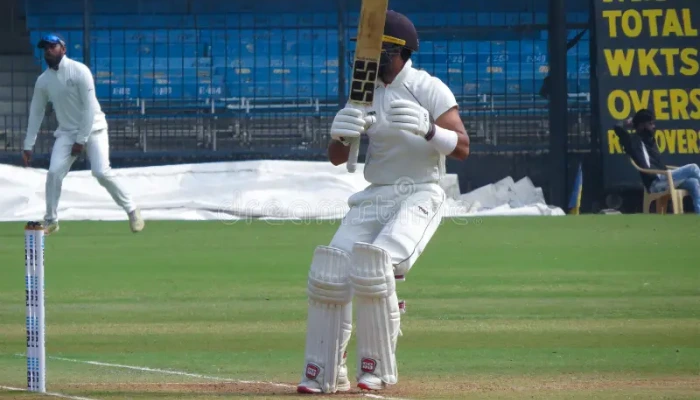
A power play is a fielding restriction.
During a power play:
- Fewer fielders can stand outside the inner circle.
- Batters often try to score quickly.
Limited-overs cricket is infamous for its powerplays.
DRS (Decision Review System)
Loss of DRS lets teams question a few decisions made by the umpire.
Technology used in DRS includes:
- Ball tracking
- UltraEdge
- Hawk-Eye
Data rate scripts (DRS) assist in the accuracy of decisions.
Free Hit
A free hit is awarded after a certain number of no-balls in limited-overs cricket.
During a free hit:
- The batter cannot be dismissed in most common ways.
- Batters often play attacking shots.
This makes the matches so much more exciting.
Extras
Extras are runs given to the batting team but not as a result of the batter hitting the ball.
Examples include:
- Wides
- No-balls
- Byes
- Leg byes
Extras are part of the team’s overall scoring.
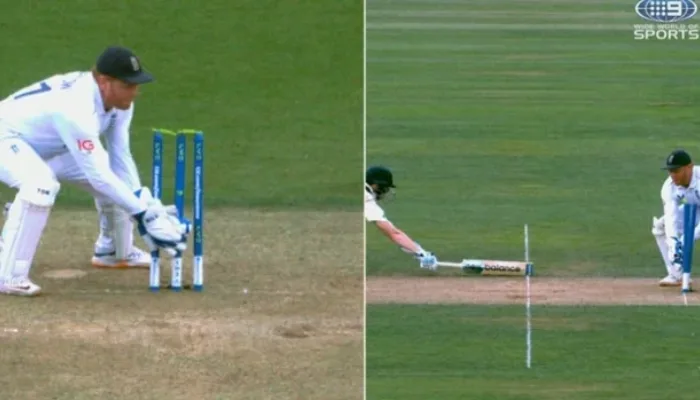
Run Out
A run out is when a fielder breaks the stumps, and a batter is out of the crease.
Run outs often occur when:
- Batters attempt quick runs.
- Fielders throw accurately.
- Communication between batters fails.
Run-outs tend to be one of the most common ways of dismissing a Cricket Player.
Knowledge of these cricket terms aids beginners in following scores during matches and helps them grasp the fundamentals of Cricket Basics, Cricket Rules, and How Cricket Is Played.
FAQs
1. What are the Laws of Cricket?
The Laws of Cricket are the official rules that govern the game worldwide. They explain how matches are played, how runs are scored, how players are dismissed, and how umpires make decisions. These laws help ensure fairness and consistency in cricket at all levels.
2. What are the basic rules of cricket?
The Basic Rules of Cricket include two teams of 11 players competing to score more runs than the opposition. One team bats while the other bowls and fields. The team with the higher score wins the match.
3. What are the 15 rules of cricket?
The 15 Rules of Cricket cover important topics such as team size, toss, innings, overs, runs, wickets, boundaries, extras, umpire decisions, and match objectives. These rules help beginners understand how cricket works.
4. How many players are there in a cricket team?
Each cricket team has 11 players. Players contribute through batting, bowling, and fielding during the match.
5. How many balls are there in one over?
An over contains six legal deliveries. Wide balls and no-balls do not count and must be bowled again.
6. How are runs scored in cricket?
Runs are scored by running between wickets, hitting boundaries (four or six), and receiving extras such as wides and no-balls.
7. How does a batter get out in cricket?
Common dismissals include Bowled, Caught, LBW, Run Out, Stumped, and Hit Wicket.
8. What is a no-ball and a wide ball?
A no-ball occurs when the bowler breaks a bowling rule, while a wide ball is bowled too far from the batter. Both award one extra run and require an extra delivery.
9. What is the difference between laws and rules in cricket?
The Laws of Cricket are the official regulations, while Cricket Rules is a simpler term commonly used to describe them.
10. Why is cricket difficult for beginners to understand?
Cricket has many unique terms, formats, and scoring methods. However, learning Cricket Basics and the 15 Rules of Cricket makes the game much easier to understand and enjoy.


